
Industrial Fused Deposition Modeling for Functional Parts & Tooling
Most companies don’t need a flashy prototype.
They need a part that works.
Fused Deposition Modeling (FDM) is a production-ready additive manufacturing process that builds strong thermoplastic components layer by layer using engineering-grade materials. When executed correctly, it produces durable, repeatable parts capable of surviving real industrial environments.
At Stratiform, FDM isn’t treated as a hobby technology.
It’s a manufacturing tool.
Why Choose FDM?
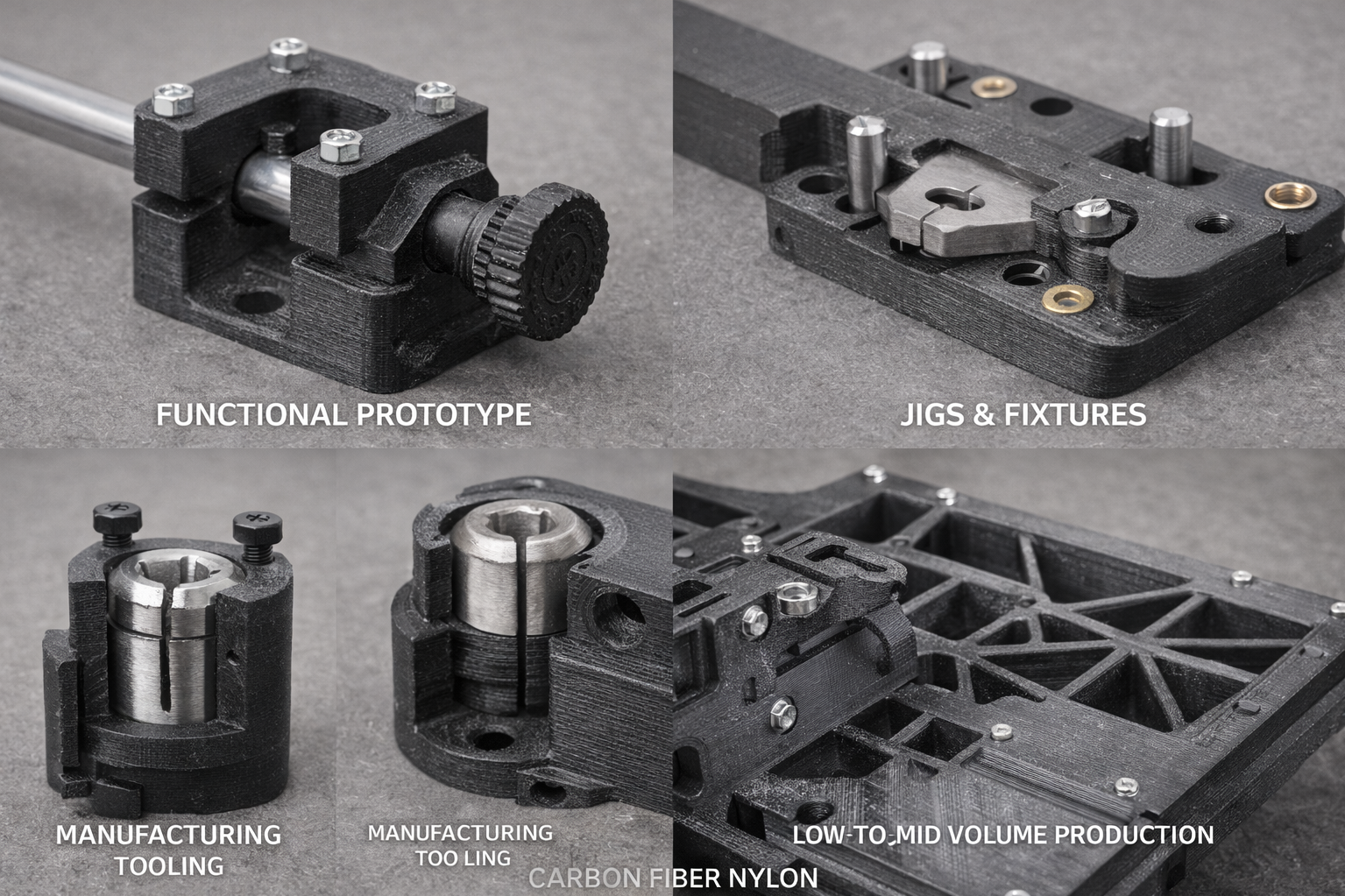
FDM remains one of the most cost-effective 3D printing technologies for:
Functional prototypes
Jigs and fixtures
Manufacturing tooling
Low-to-mid volume production
Large-format parts
Carbon fiber reinforced components
Materials Available
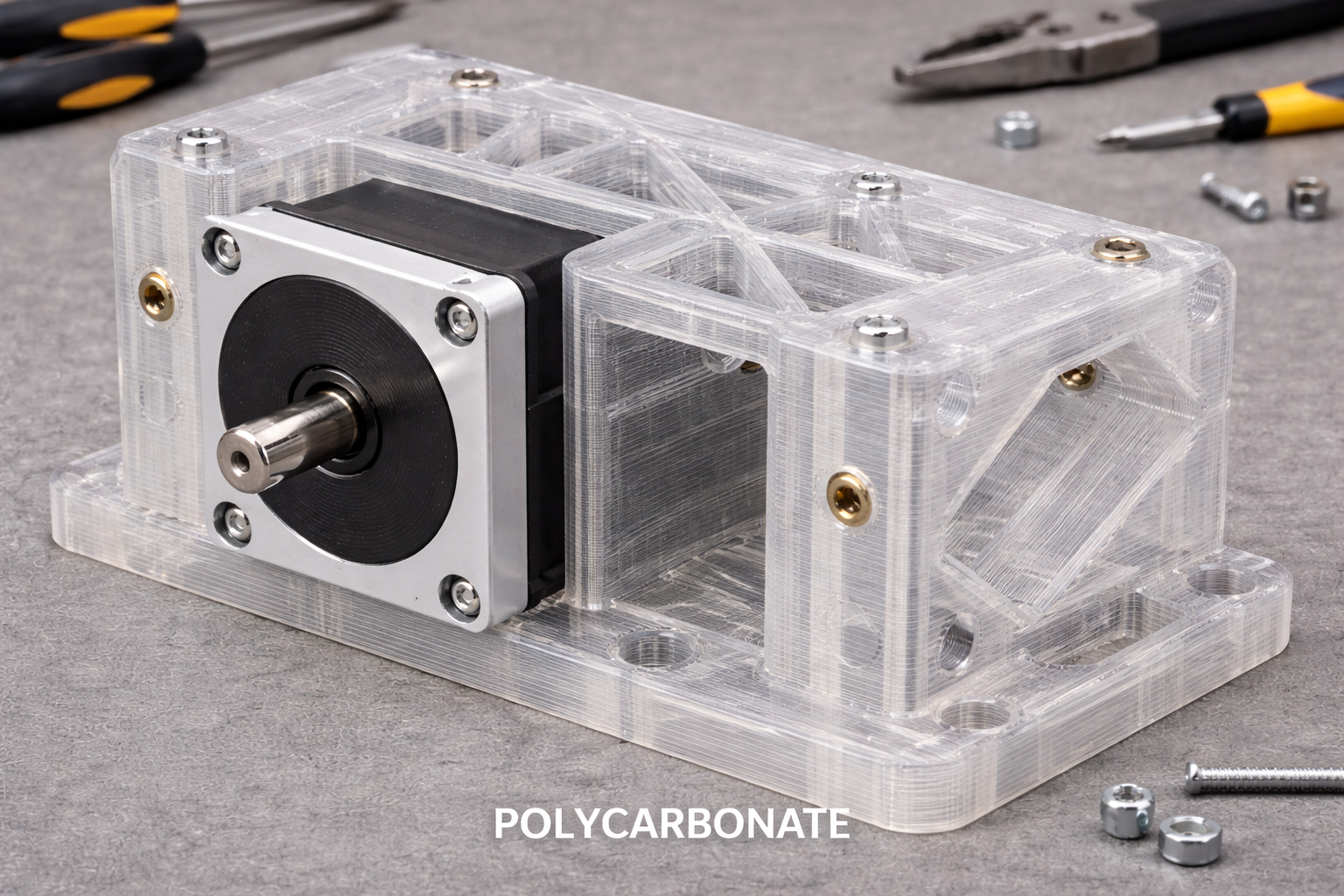
We specialize in high-performance thermoplastics including:
ABS
ASA
PA6-CF (Carbon Fiber Reinforced Nylon)
PC (Polycarbonate)
PC-CF
PPS-CF & PPS-GF
PETG
TPU (Flexible Materials)
Material selection support is available to ensure optimal performance for your application.
Key Advantages
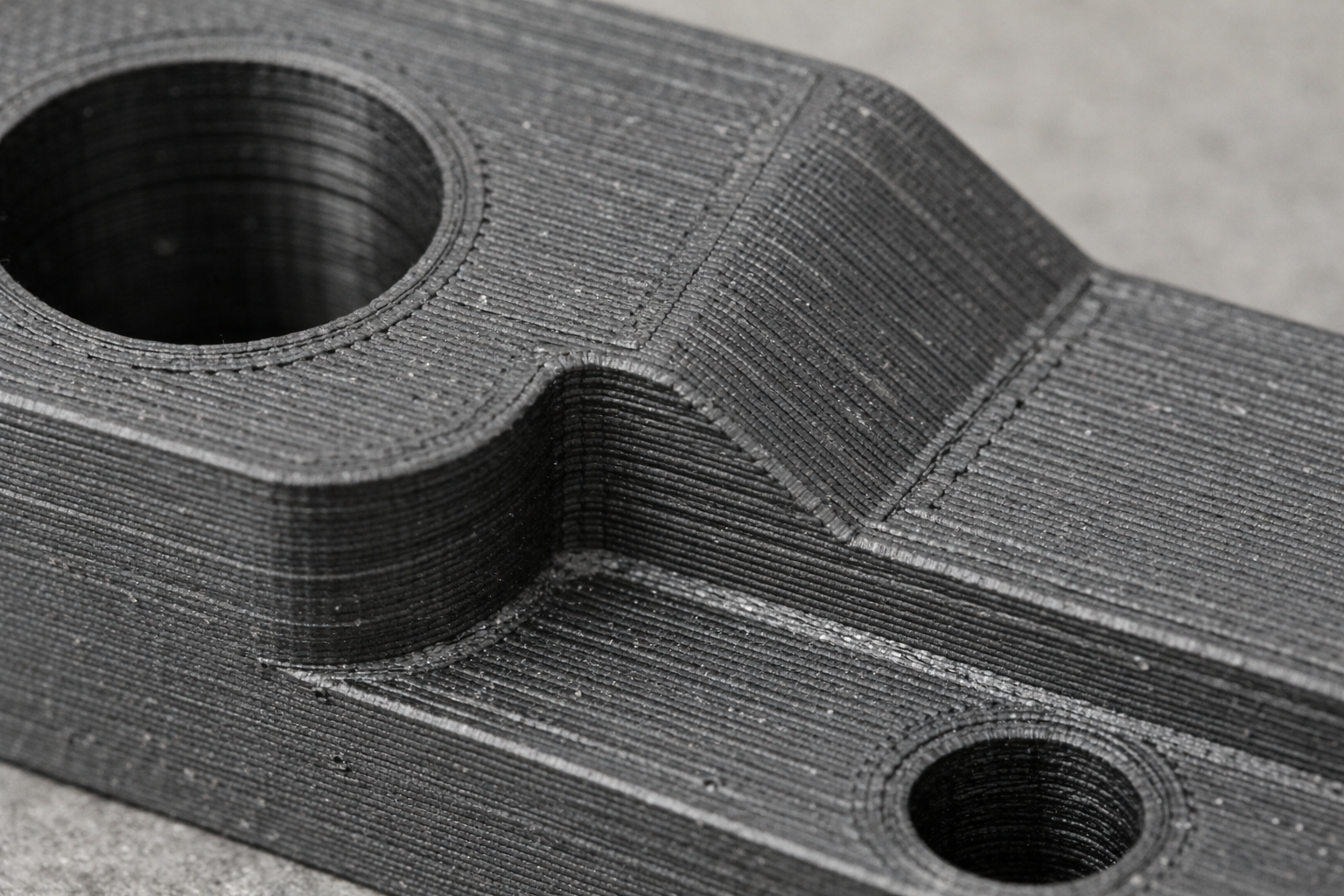
Broad range of engineering thermoplastics
Excellent strength-to-weight ratio
Scalable production capacity
Fast lead times
Lower cost than powder-based technologies
Strong performance in demanding industrial environments
Dimensional Accuracy
Standard Dimensional Tolerance:
±0.5% (minimum ±0.5 mm)
Stratiform applies material-specific calibration practices to improve repeatability across engineering polymers.
Tighter tolerances may be achievable depending on geometry, material, and feature criticality. Critical dimensions can be tolerance-verified upon request and are subject to additional fees.
Design Considerations for FDM
For optimal strength and surface quality:
Support structures are typically required for overhangs exceeding ~45°
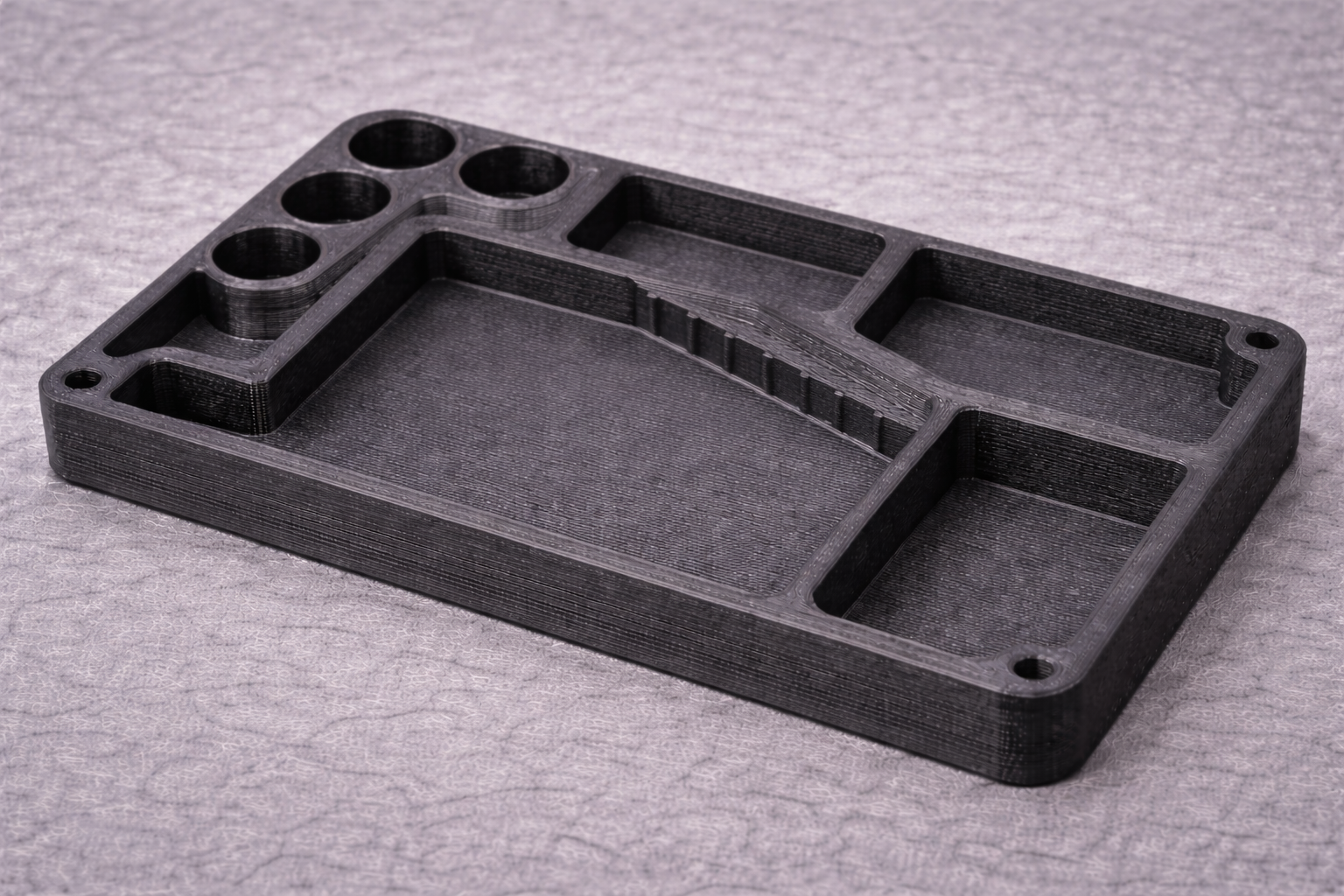
Typical layer heights range from 0.1–0.3 mm
Nozzle diameters generally range from 0.4–0.8 mm
Thin walls under ~0.8 mm may reduce strength
Part orientation influences mechanical performance
All files are reviewed prior to production to ensure manufacturability and performance alignment.
Post-Processing Options
Heat-set threaded inserts
CNC machining of critical surfaces
Sanding and surface refinement
Painting and protective coatings
Assembly integration