
How It Works
A simple process built around your schedule, not ours.
Bridge manufacturing only works if it's actually fast.
We've eliminated the back-and-forth that slows most service bureaus down. Send us what you have — a file, a worn part, or just a description — and we take it from there.
1) Send us your file — or your part.
Upload a STEP, STL, or native CAD file through our quote form. No file? Ship or bring us the physical part and we'll scan it. Tell us your target quantity, ship date, and any finish or tolerance requirements.
Accepted formats: STEP, STL, OBJ, native CAD files. No file required for scan-and-print requests.
3) Production with defined acceptance criteria.
Once you approve the quote, we schedule production against your ship date. Every bridge run has documented acceptance criteria — finish class, critical dimensions, packaging requirements — so you know exactly what you're getting before parts leave our floor.
Metal and specialty processes are managed through vetted partners under the same acceptance standards. You deal with us — not a network of strangers.
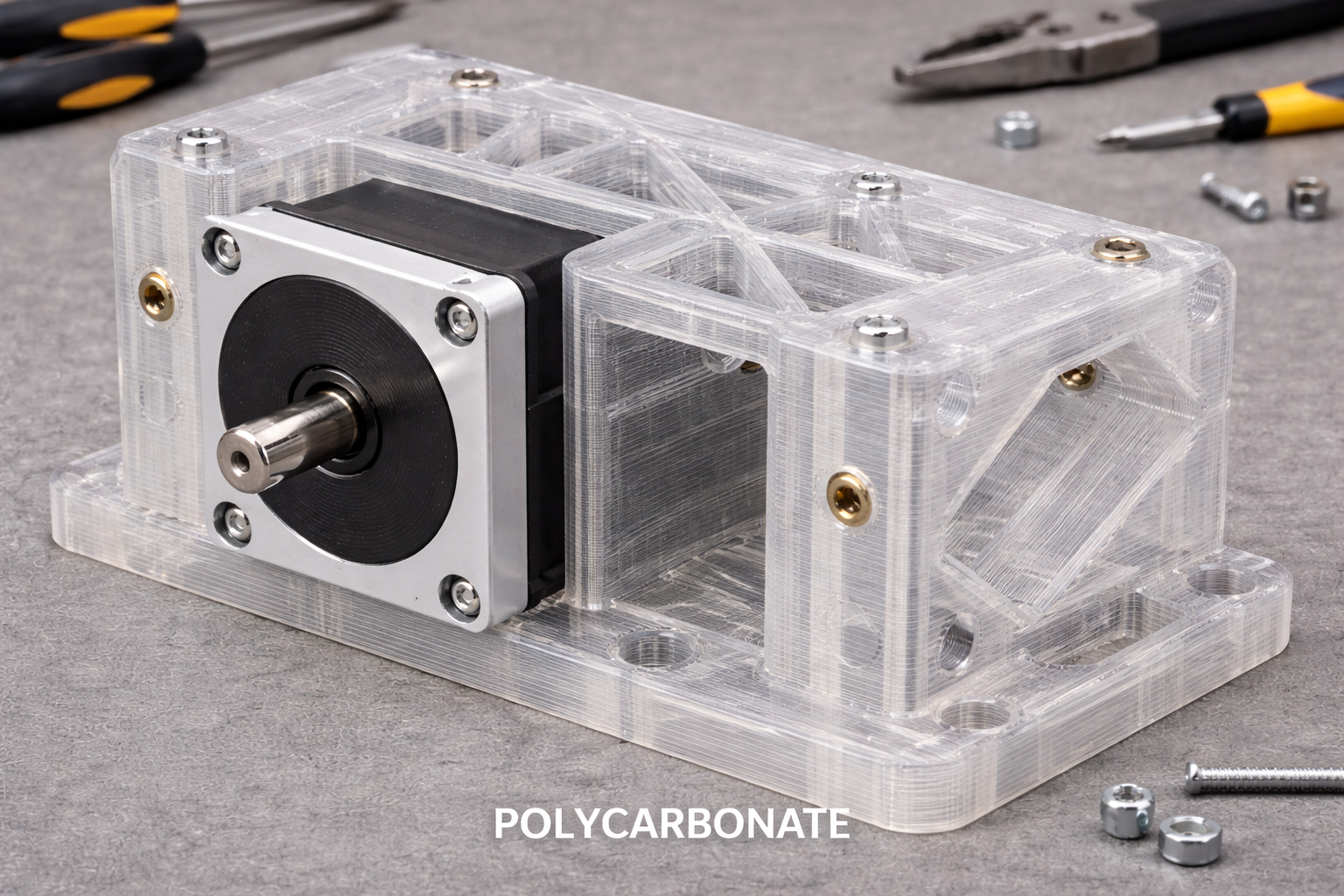
2) We review, advise, and quote within 24 hours.
Every job gets a file review before a quote goes out. We flag anything that could affect quality, cost, or lead time — wall thickness, orientation, tolerances — and recommend the right process for your application. You get a clear quote, not a guess.
Quote includes: process recommendation, material selection, lead time, acceptance criteria, and any DFM notes.
4) Ship — with your next order already on file.
Parts ship with documentation and are packaged to your spec. Repeat orders don't require a new quote or a fresh explanation. Your job is on file, your requirements are documented, and reorders ship on your schedule.
Need serialization, lot marking, or custom packaging? Specify it once. We handle it every time after that.
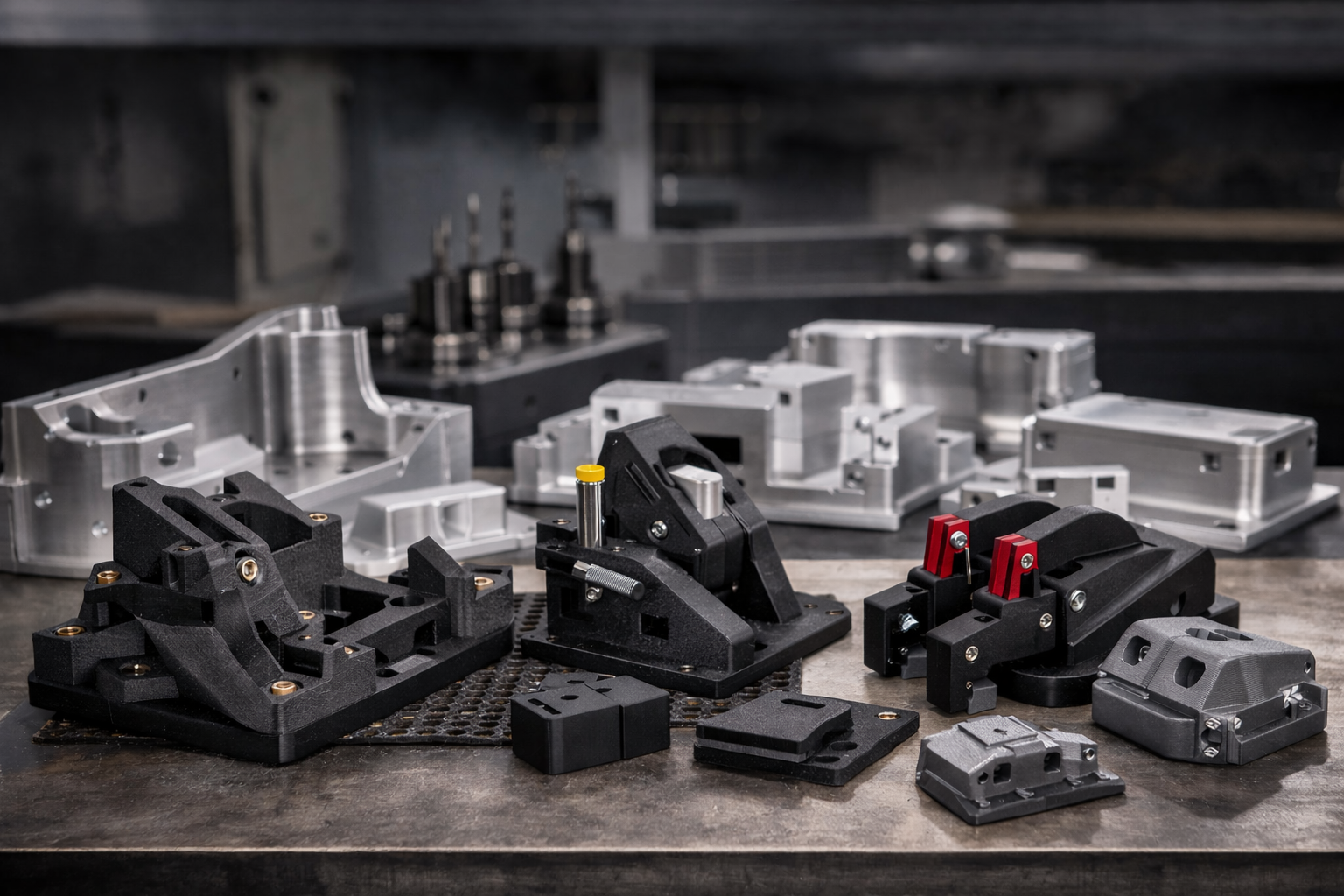
Traditional tooling is right when...
Volume is high enough that per-unit cost dominates all other factors
Design is locked and no further iteration is expected
Material or regulatory requirements demand a specific process
Long-run repeatability at scale is the primary objective
Lead time is not a constraint
Bridge manufacturing vs. traditional tooling
When does bridge manufacturing make sense?
Bridge manufacturing wins when speed and flexibility matter more than per-unit cost at volume. It's not a permanent replacement for injection molding or machining — it's what you use while tooling is being cut, while demand is still uncertain, or when a supplier has gone quiet and production can't stop. Once your volumes justify traditional tooling, we help you prepare for that transition too.
Bridge manufacturing is right when...
You need 10–1,000 units and tooling lead time isn't acceptable
Demand is still uncertain and you're not ready to commit to hard tooling
A supplier failed and your line or customer can't wait
You need to validate design and fit before locking in production tooling
Your part has no CAD and needs to be reverse engineered first
Our Commitments
Quote turnaround
24 hours
From receipt of a complete RFQ with file, quantity, and ship date.
Rework policy
We make it right.
Parts that don't meet the agreed acceptance criteria are remade and reshipped at our cost.
Schedule risk
You hear it first.
If anything threatens your ship date, we notify you within one business day — not after the fact.
Ready to see how fast your part can move?
Send us your file and requirements. Quote back within 24 hours.